
Design Initiative | 9 Months | 2024-5
Empowering mental illness survivors with better post-crisis support
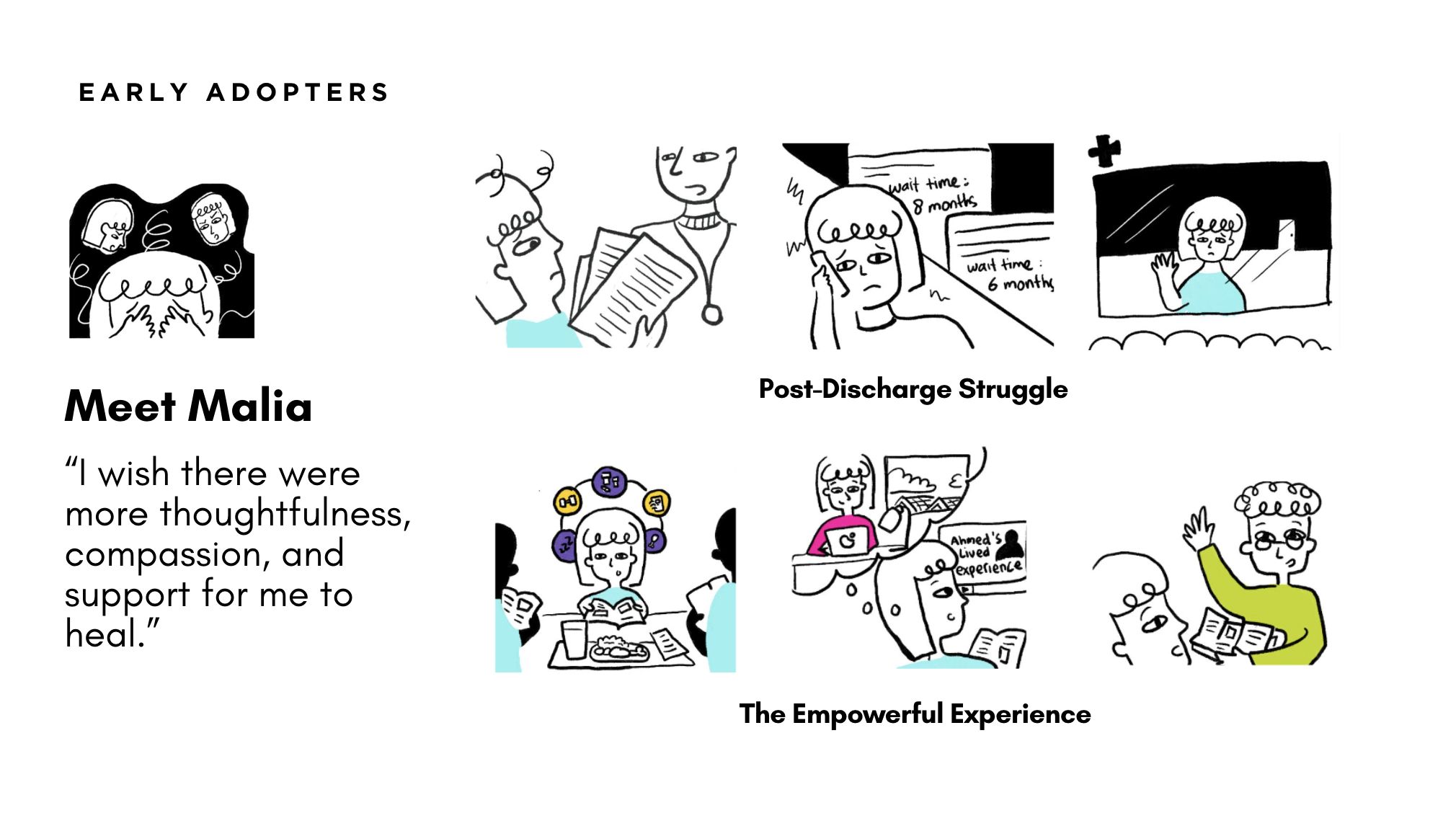
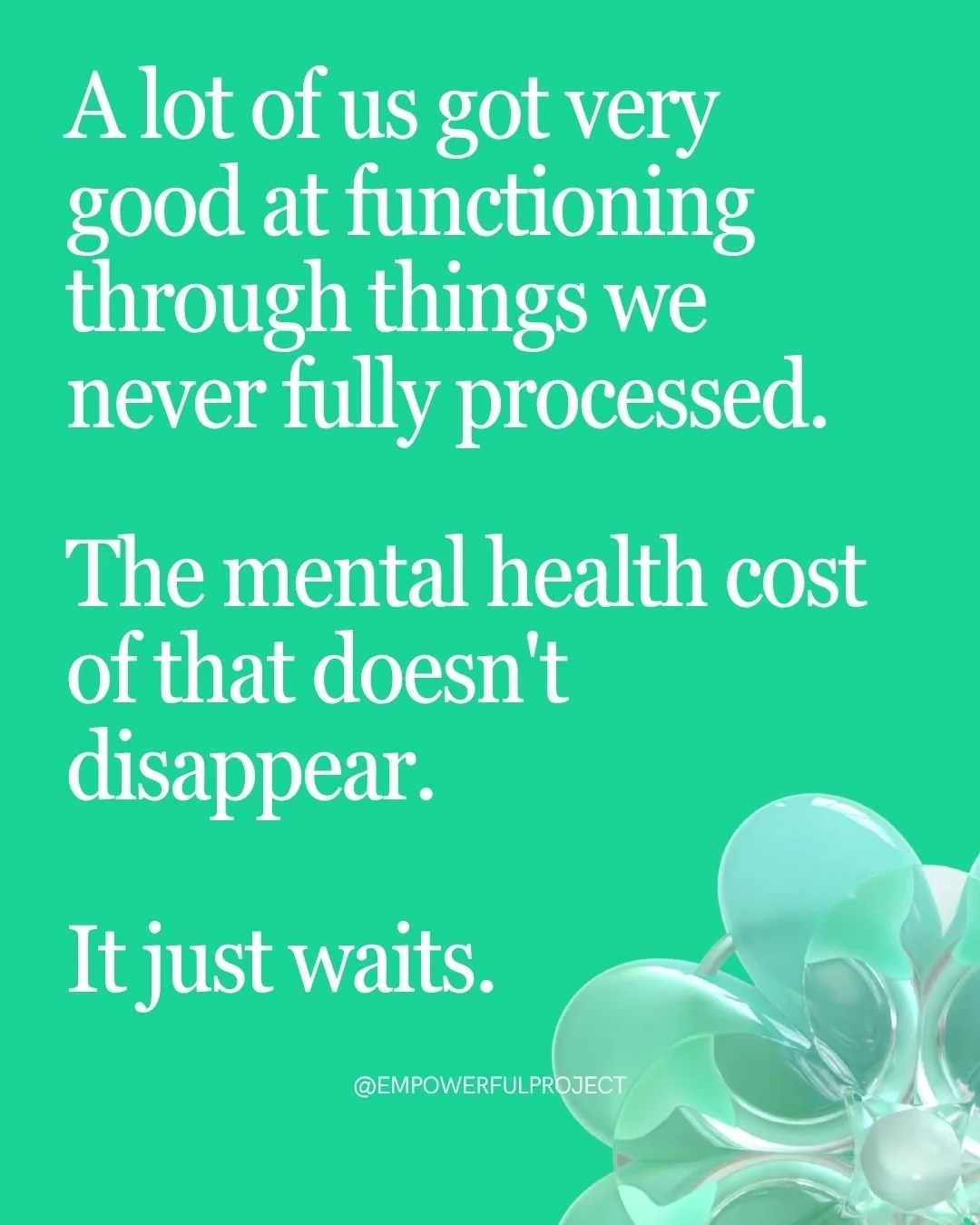
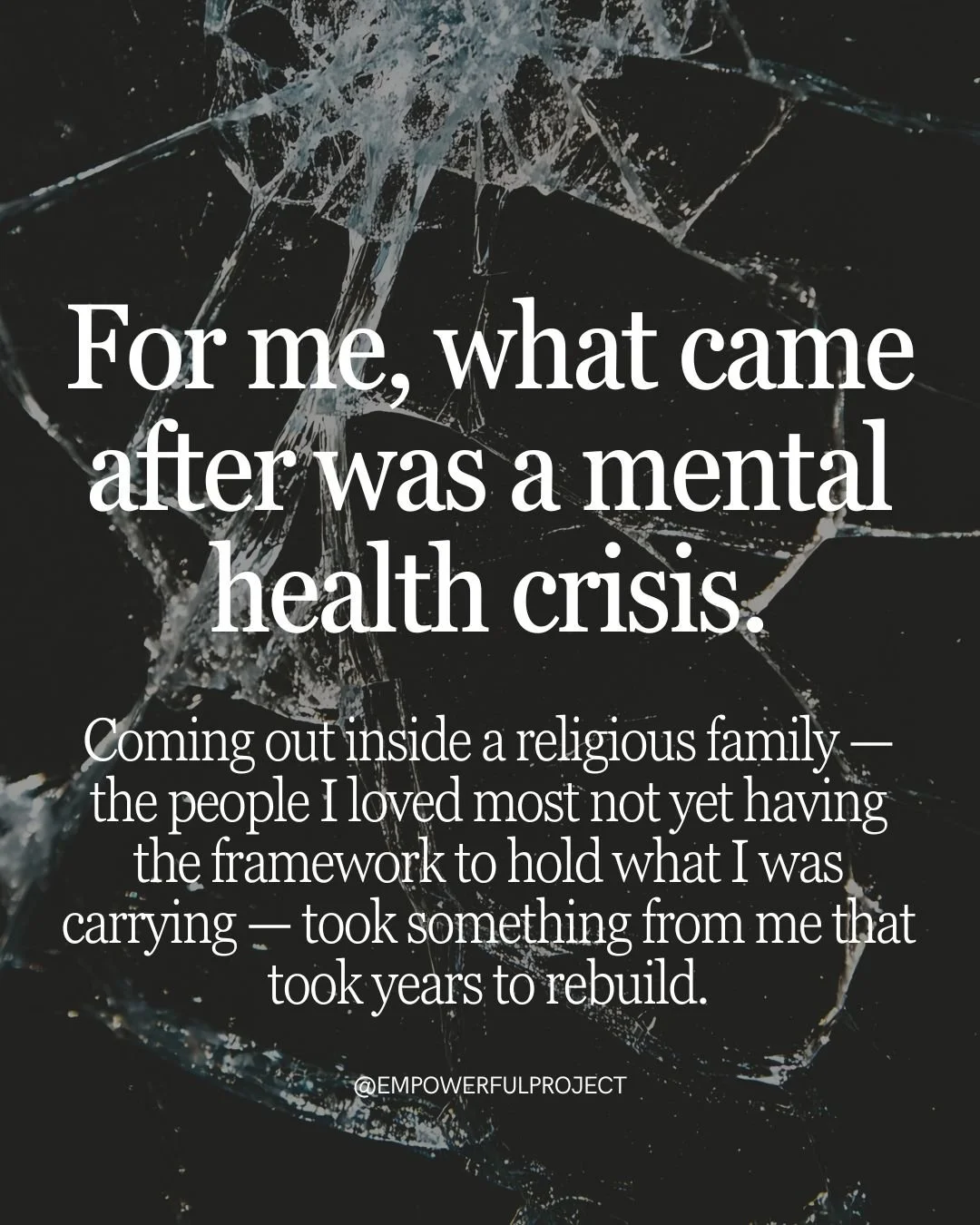
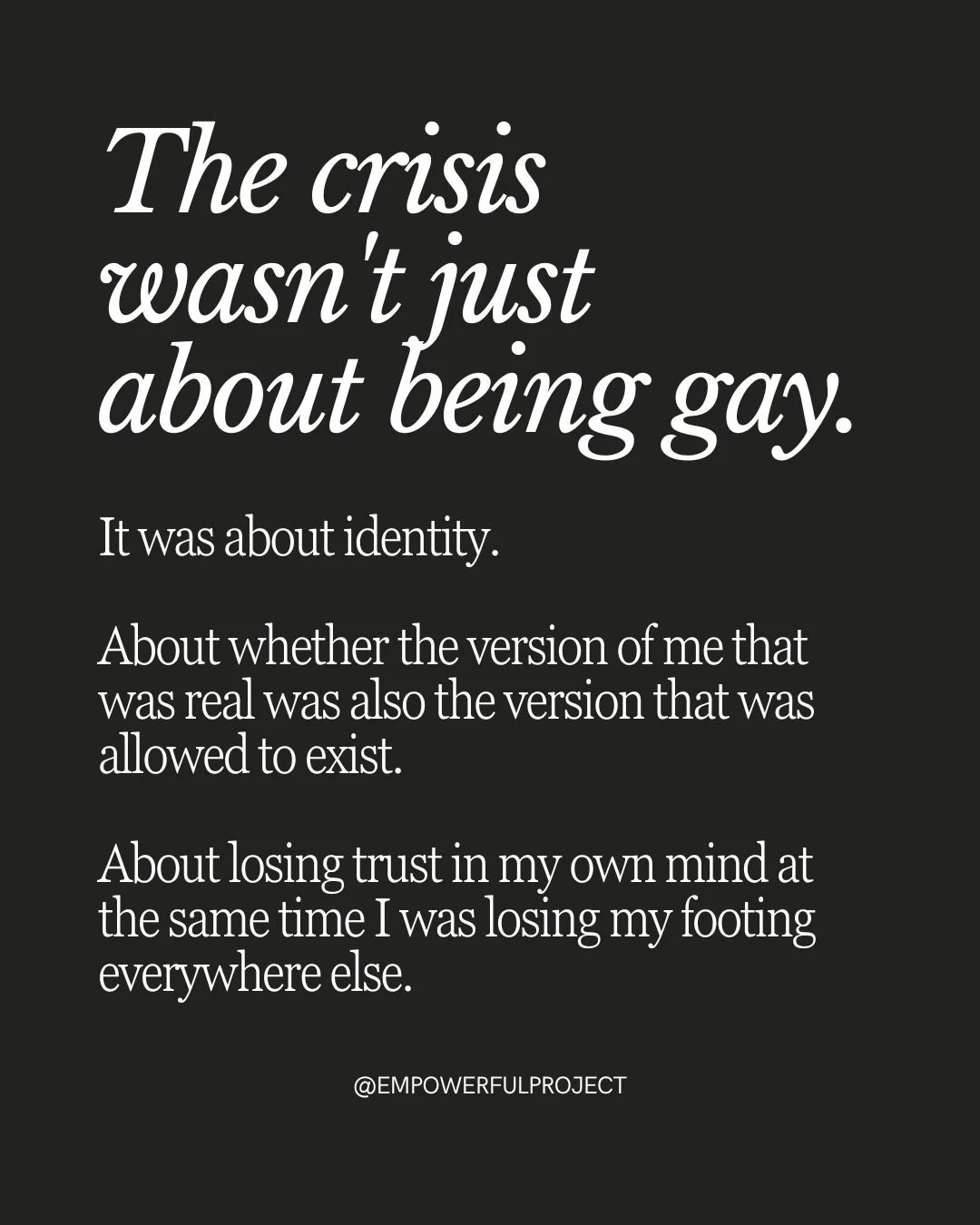
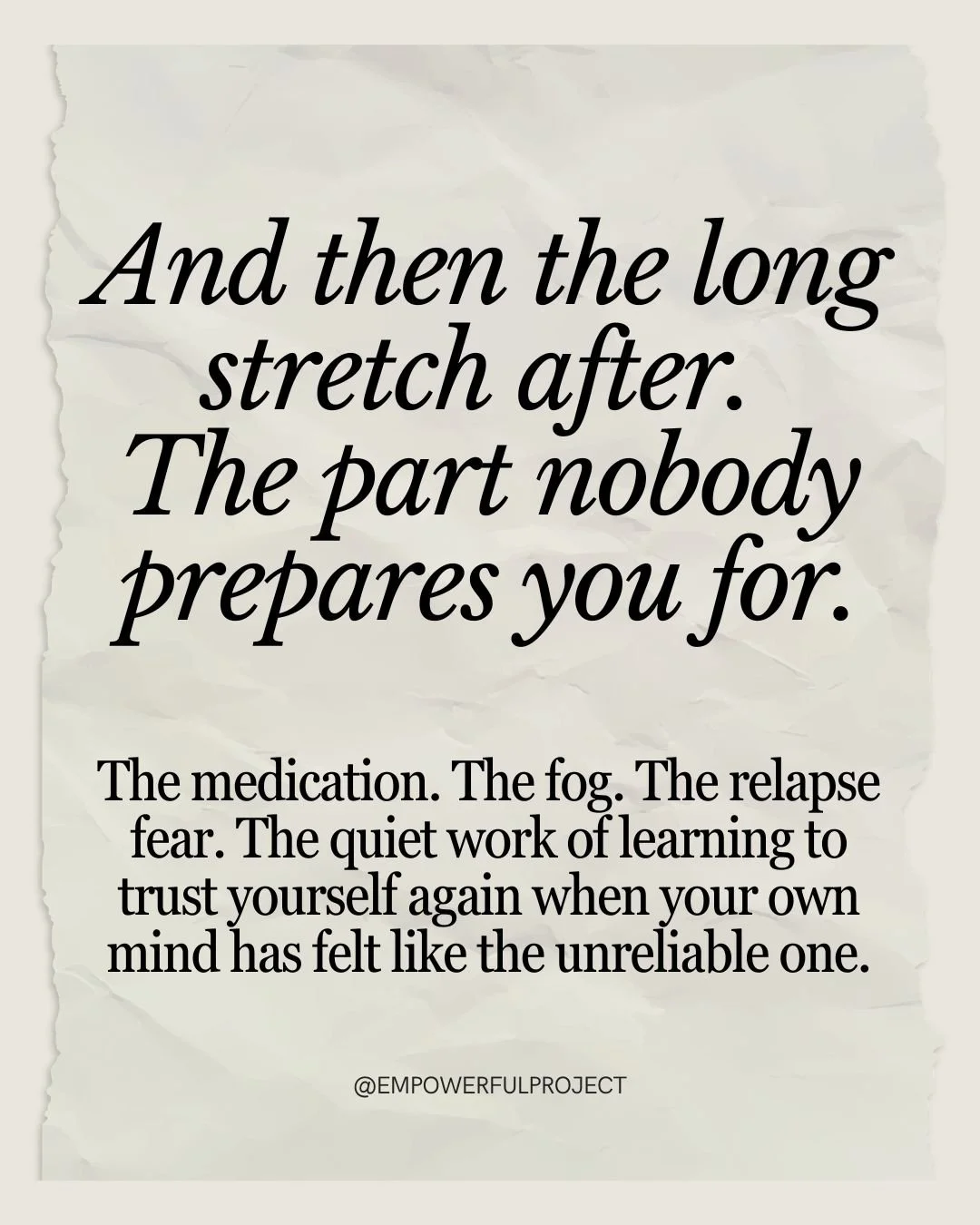
Individuals experiencing psychosis often face traumatic interventions, poor in-patient care, and hard-to-navigate post-discharge support. This is particularly distressing during a first hospitalization, which can be terrifying and confusing for both patients and families. Through lived experience research, I uncovered the reality that patients lose purpose and engagement due to the “long hours of nothingness in acute care”, inaccessible resources, and a lack of guidance after discharge.
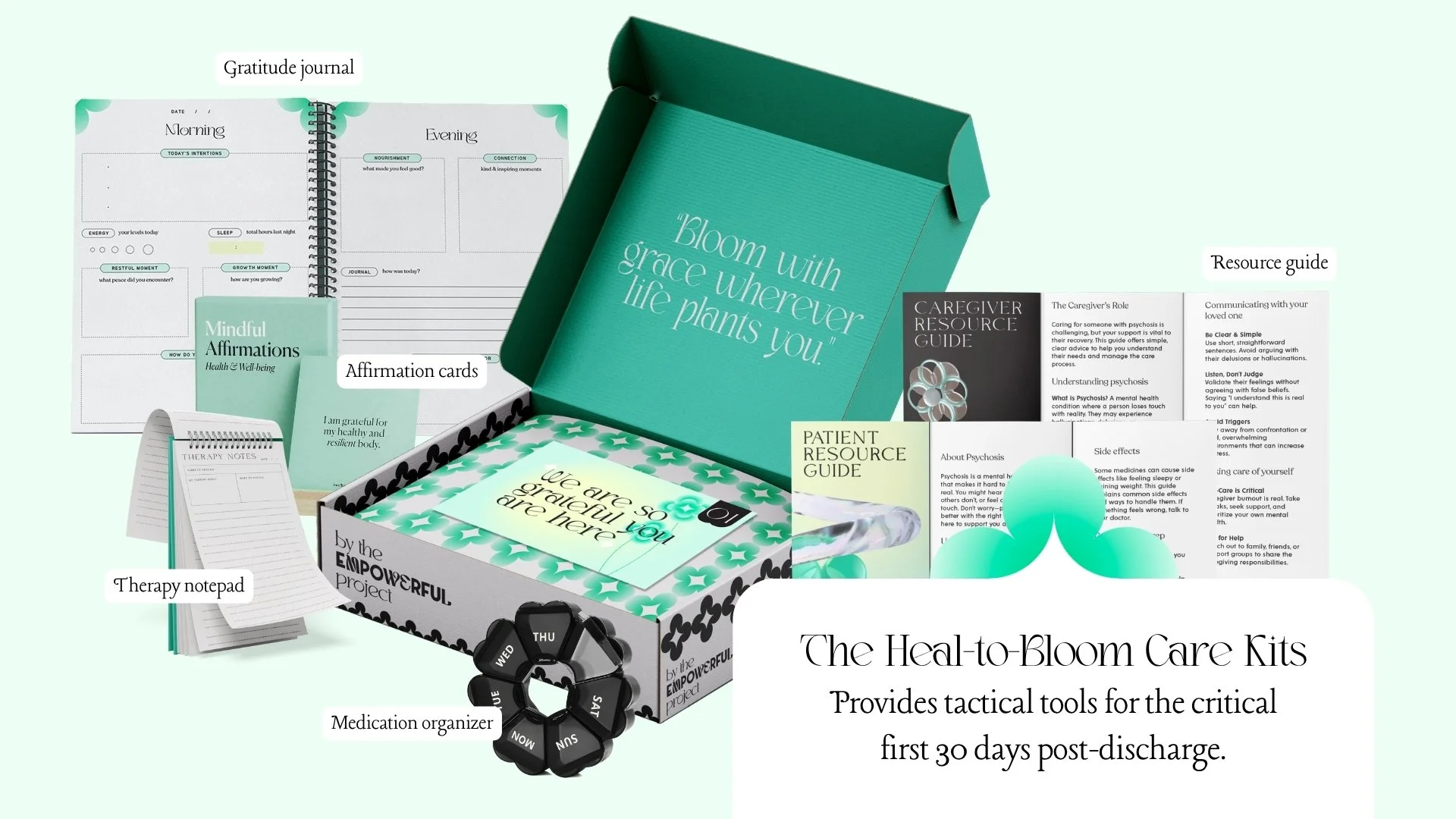
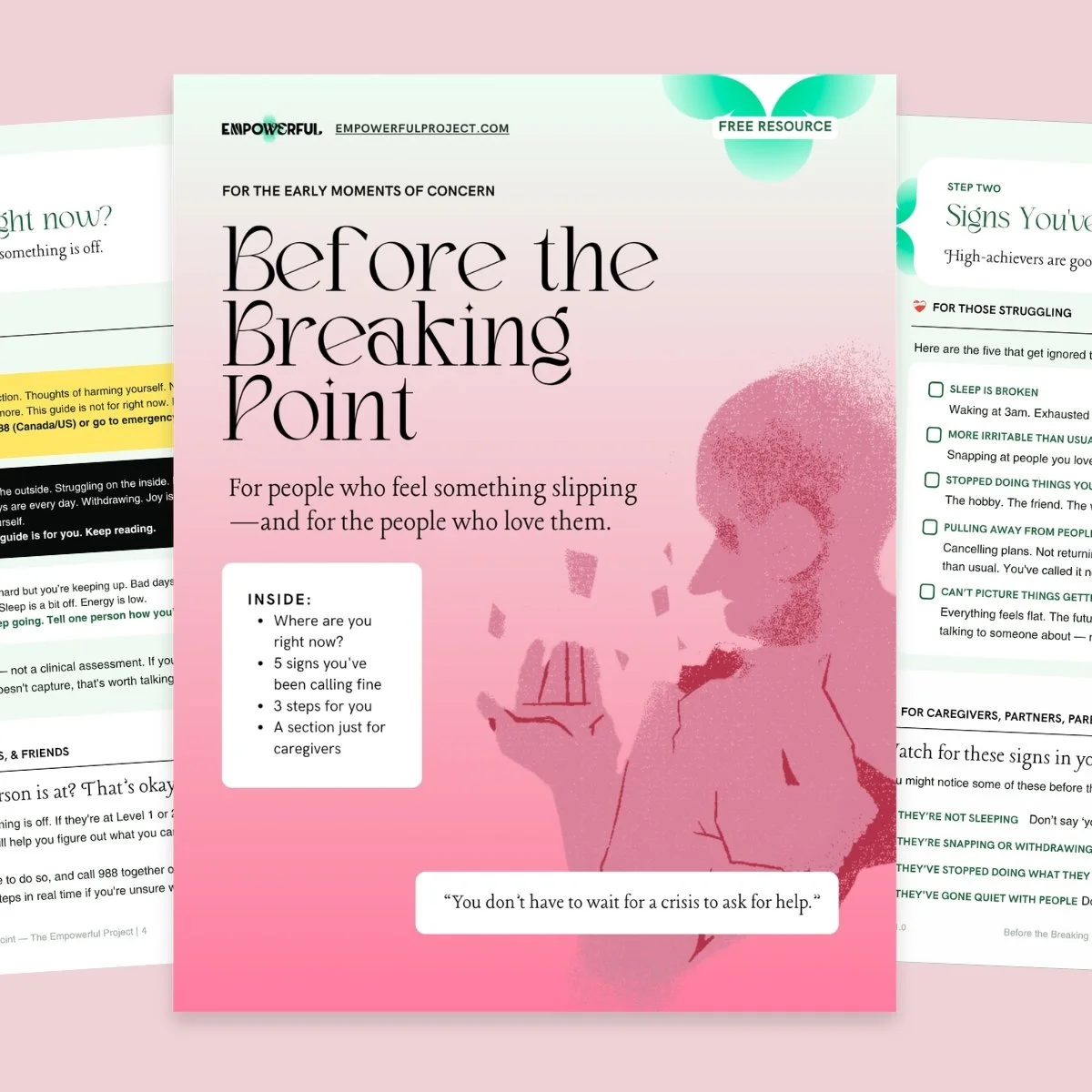
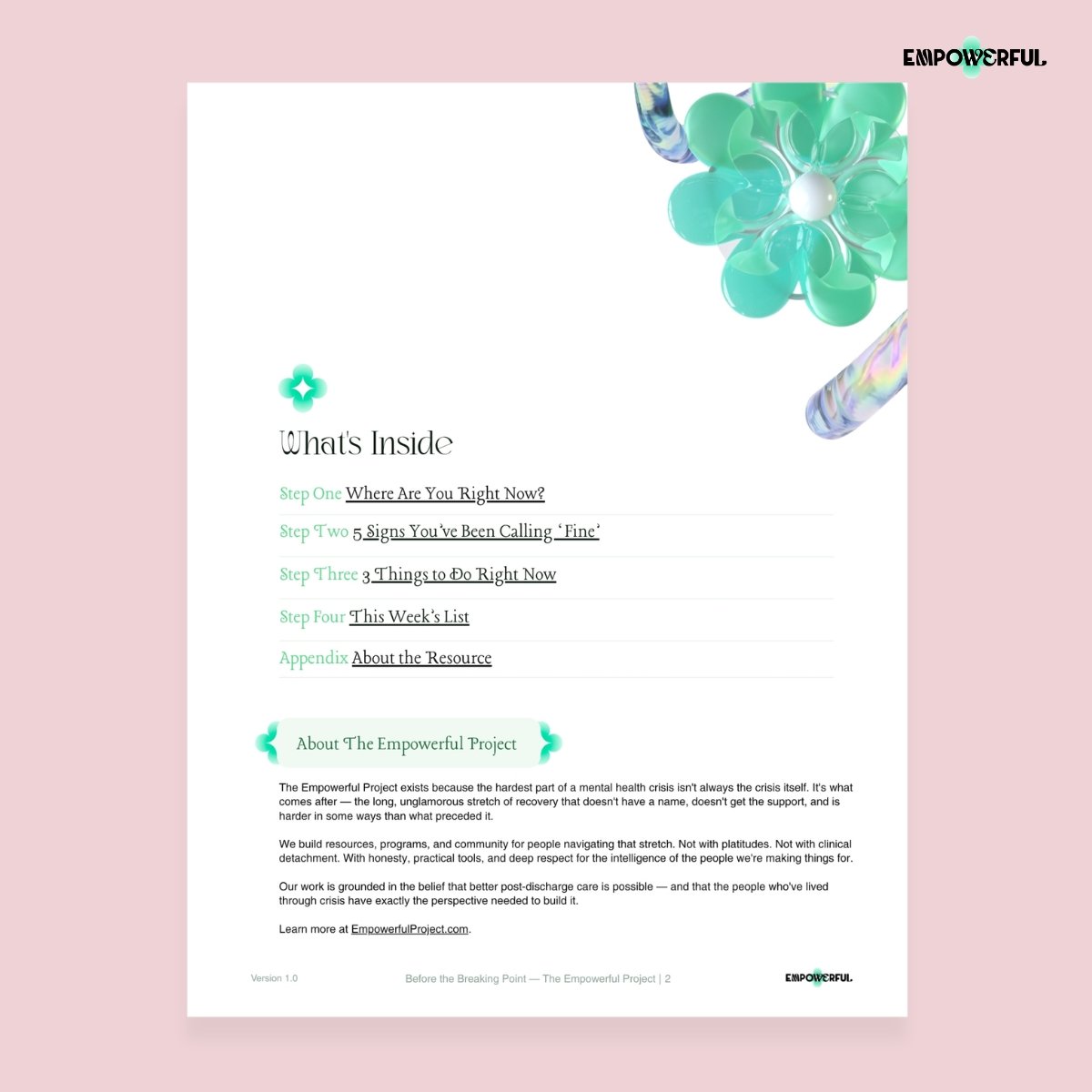
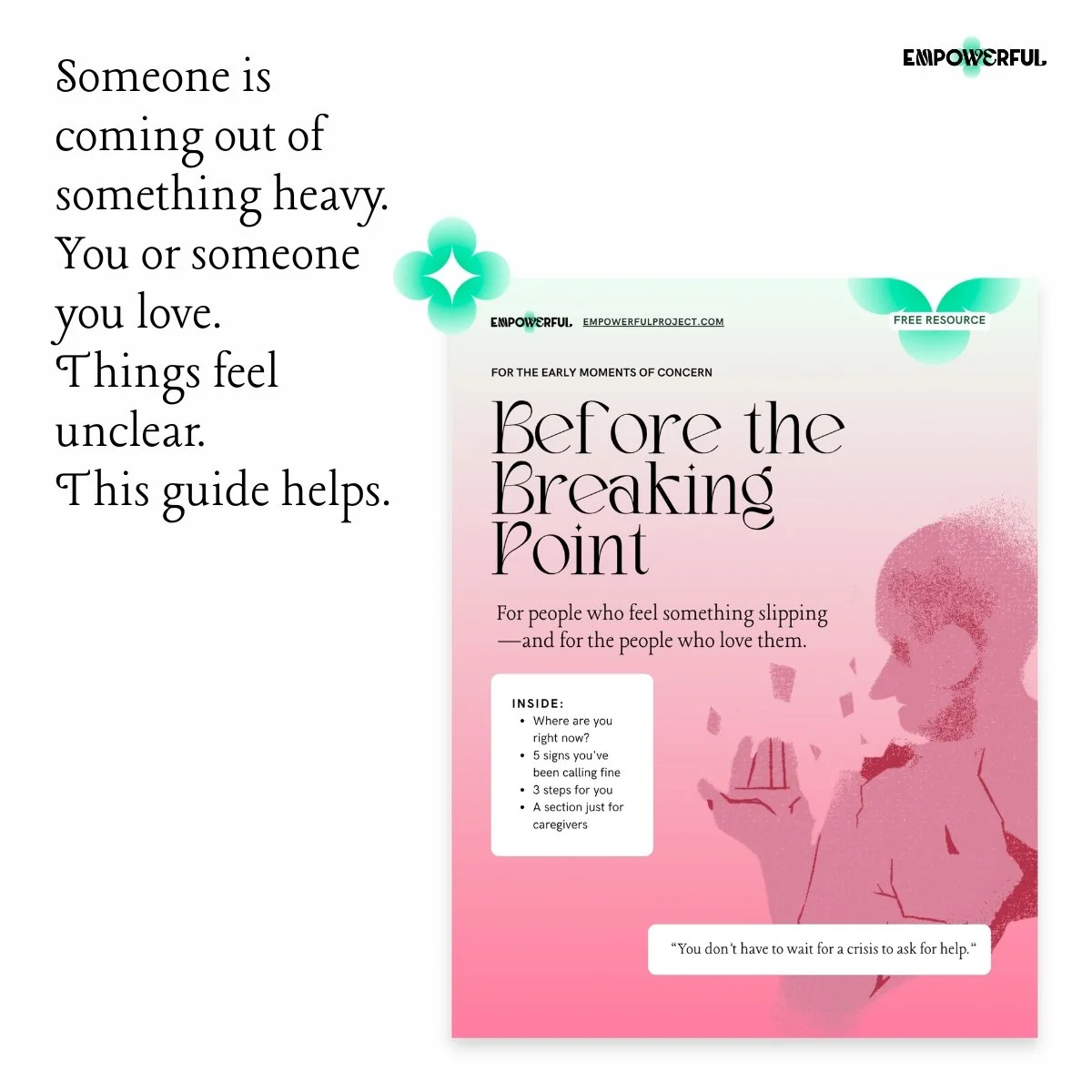
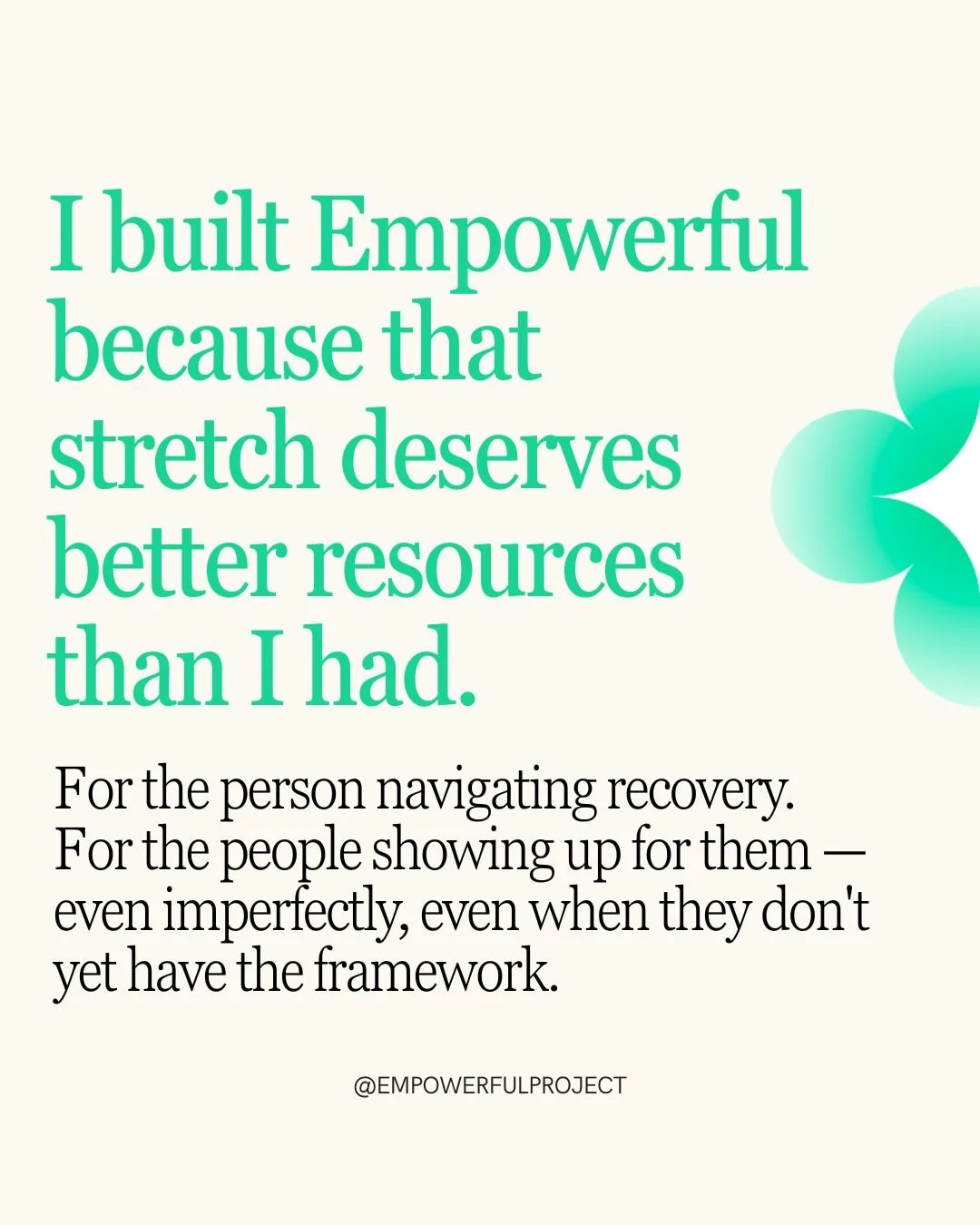
Empowerful explores how mental health crisis recovery could be improved through a creative solution: engaging in-ward programs, easy to understand care kits and user friendly digital tools aimed at bridging gaps between hospitals, patients, and caregivers. The initiative focused on restoring hope where the system stops short.
As Featured on Financial Post, The League of Innovators,QueerTech, Humber River Health Foundation
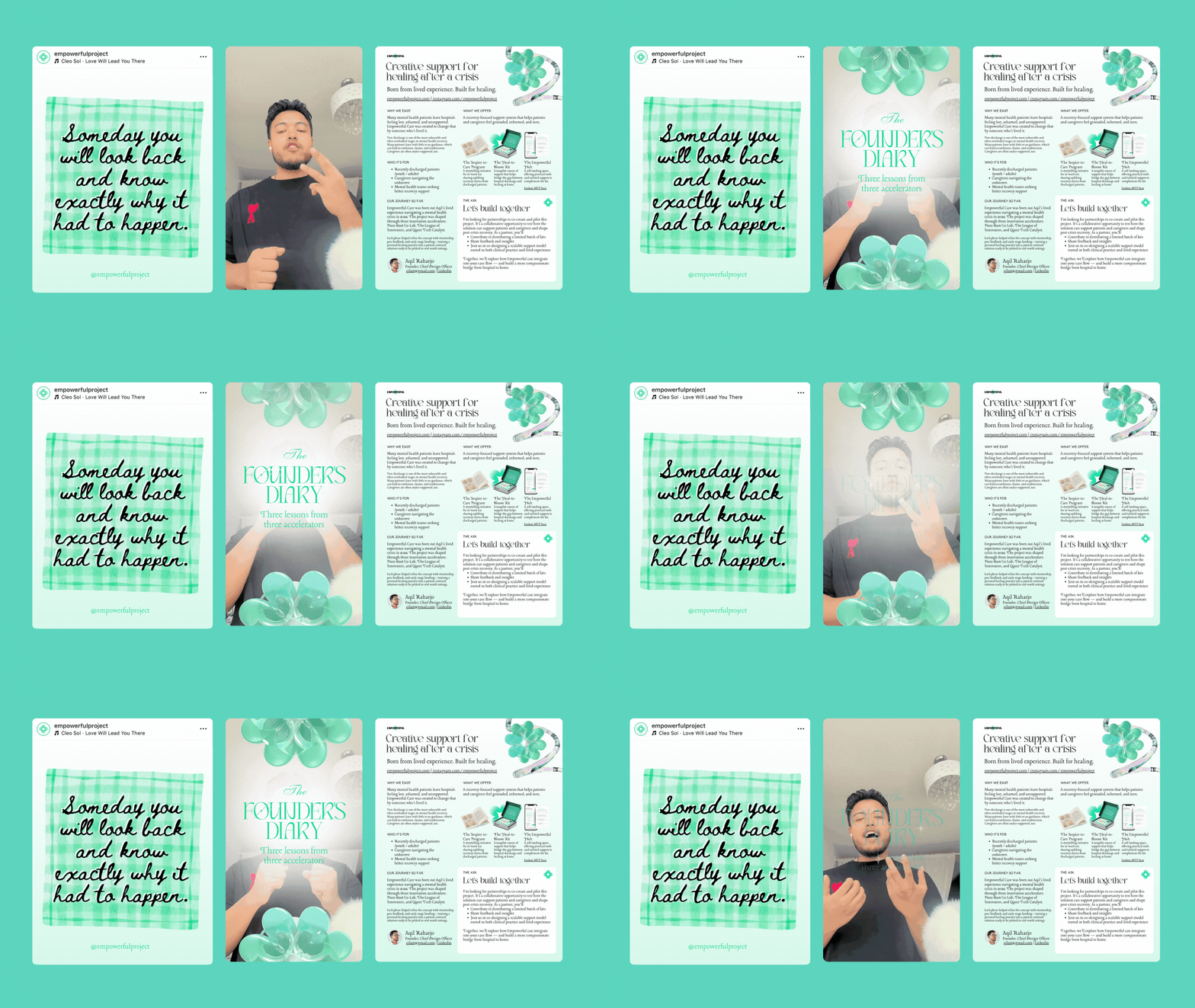
☝🏼Click to Watch Empowerful’s 4-minutes pitch
-
Founder, Principal Product & Brand Designer
-
Workshops, Journey Maps, Pith Decks, Business Strategy, Branding, Illustrations, product Development, Communication Strategy
-
Claude, Canva, Notion, Adobe Illustrator, Photoshop, GSuite, Figma, Loveable, Womp3D, Google Veo
-


The Problem
In Ontario, mental-health patients are discharged without continuity of care; driving preventable readmissions (14.6% had three-plus hospital stays in a year) at $10K+ per psychosis hospitalization.
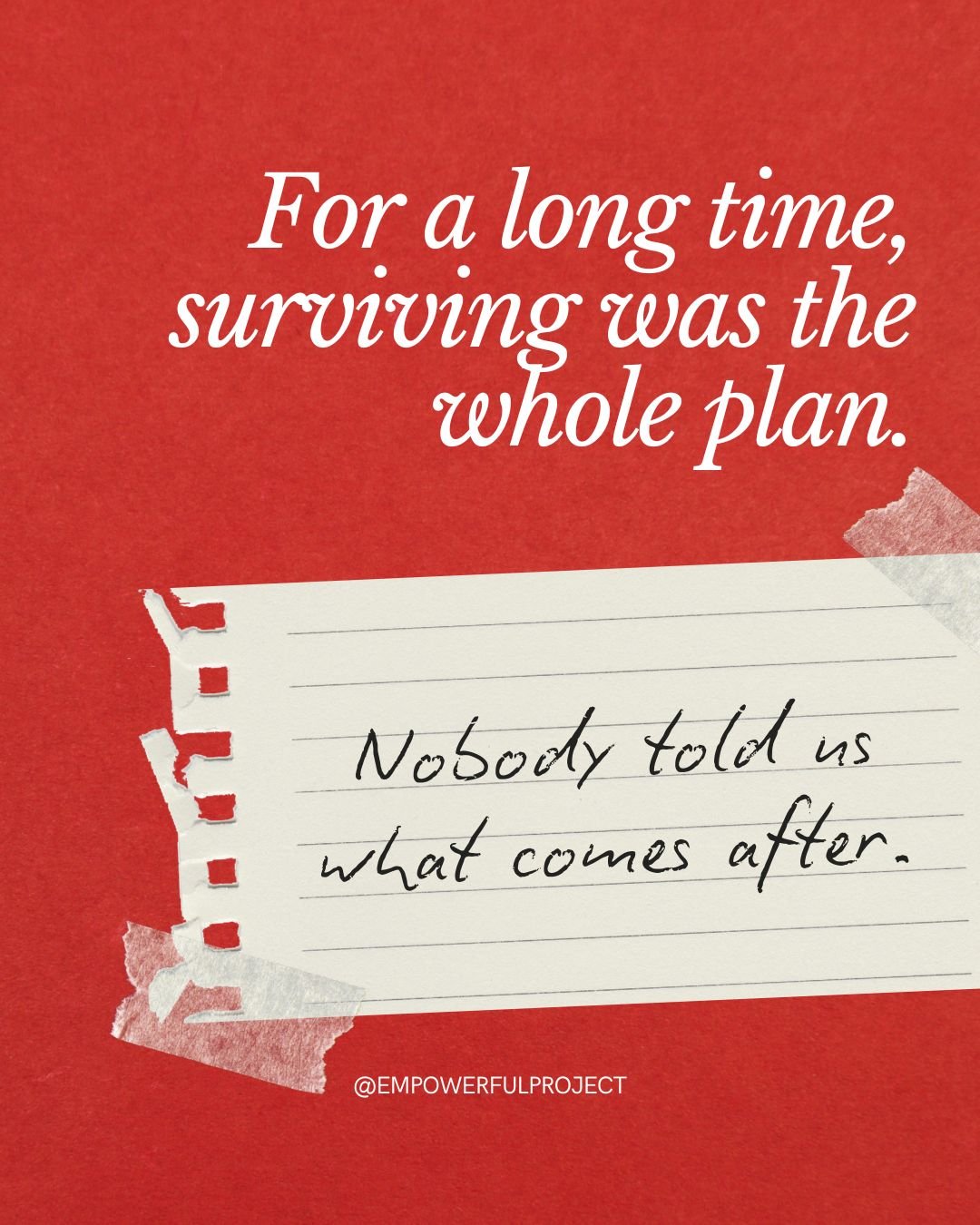
Patients discharged from mental health crisis care face a terrifying window: Day 1–30 post-discharge, no structured support, highest relapse risk. The insight came from lived experience and 20+ hours of co-design with patients, social workers, and psychiatrists — the system wasn't failing from neglect, it was failing from a handoff gap no one owned.
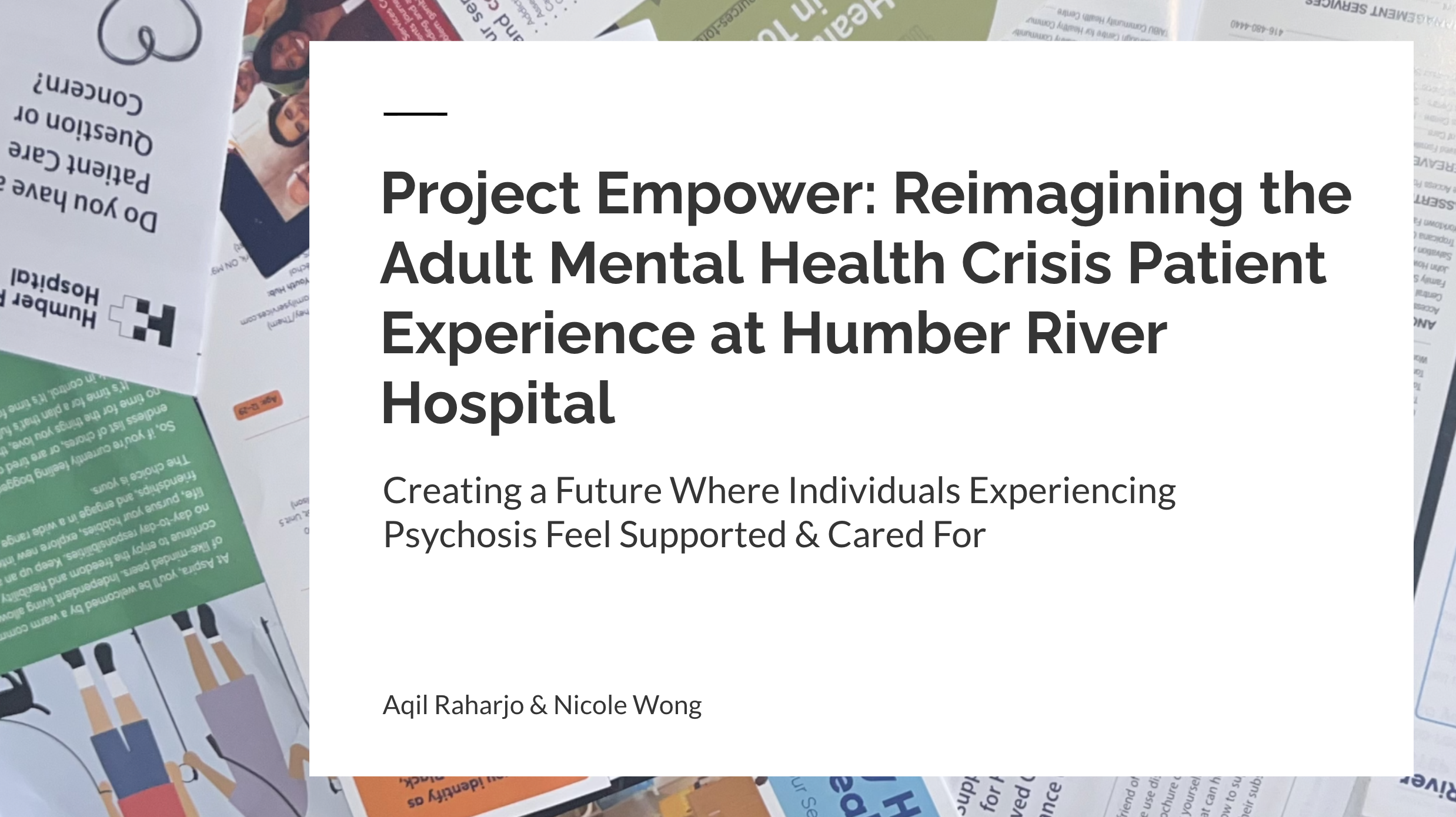
☝🏼 Click to view the grant-winning proposal


The Approach
Drove participatory research, built journey maps, and co-designed a brand-led service intervention for the clinical-to-community transition.
Tools: Miro, Adobe CC, Loveable, Womp3D
The Impact
3 accelerators + a validating grant · built a community of health advocates & builders · model targets lower 30-day readmissions & faster time-to-support.








“The elements of your scoped intervention here are compelling and in my opinion exceed many of the care experiences I’ve heard over the years.”
— Jonny Morris, CEO, CMHA BC
“These interventions are something we should do more of. We need more of this type of innovation. Would be super helpful for patients to have hope. Patients will have more appreciation for having peer support.”
— Dr. Jonathan H., Psychiatrist

Reflection
“Building this venture taught me how deeply complex and necessary innovation in mental health can be. While I learned that navigating regulatory systems and institutional partnerships requires a longer runway than anticipated, I’m grateful for the journey. The process opened doors to meaningful collaborations, mentors, and a network of people equally committed to making mental health care more human, accessible, and hopeful.”