
This is the third post in an ongoing series about my mental health journey. The first is here. The second is here.
An honest update on my mental health and what the road here actually looked like.
A few years ago, I wrote about the night I lost contact with reality. About a psychotic episode, 4x hospitalizations and a month-long stay, and the surreal experience of being a 25-year-old first-generation immigrant trying to navigate a healthcare system I barely understood while also barely understanding what was happening to my own mind.
Since then, I’ve written about what I learned as a designer through that experience — about co-designing with patients, about the two sheets of paper I was handed on discharge and told that was my care plan, about how the systems meant to heal people can quietly fail them at the exact moment they need to be caught.
Today I want to write the post I’ve been sitting with for a while. The one that isn’t about lessons or frameworks. The one that’s just: here’s where I am, here’s what it cost to get here, and here’s what I want you to understand.
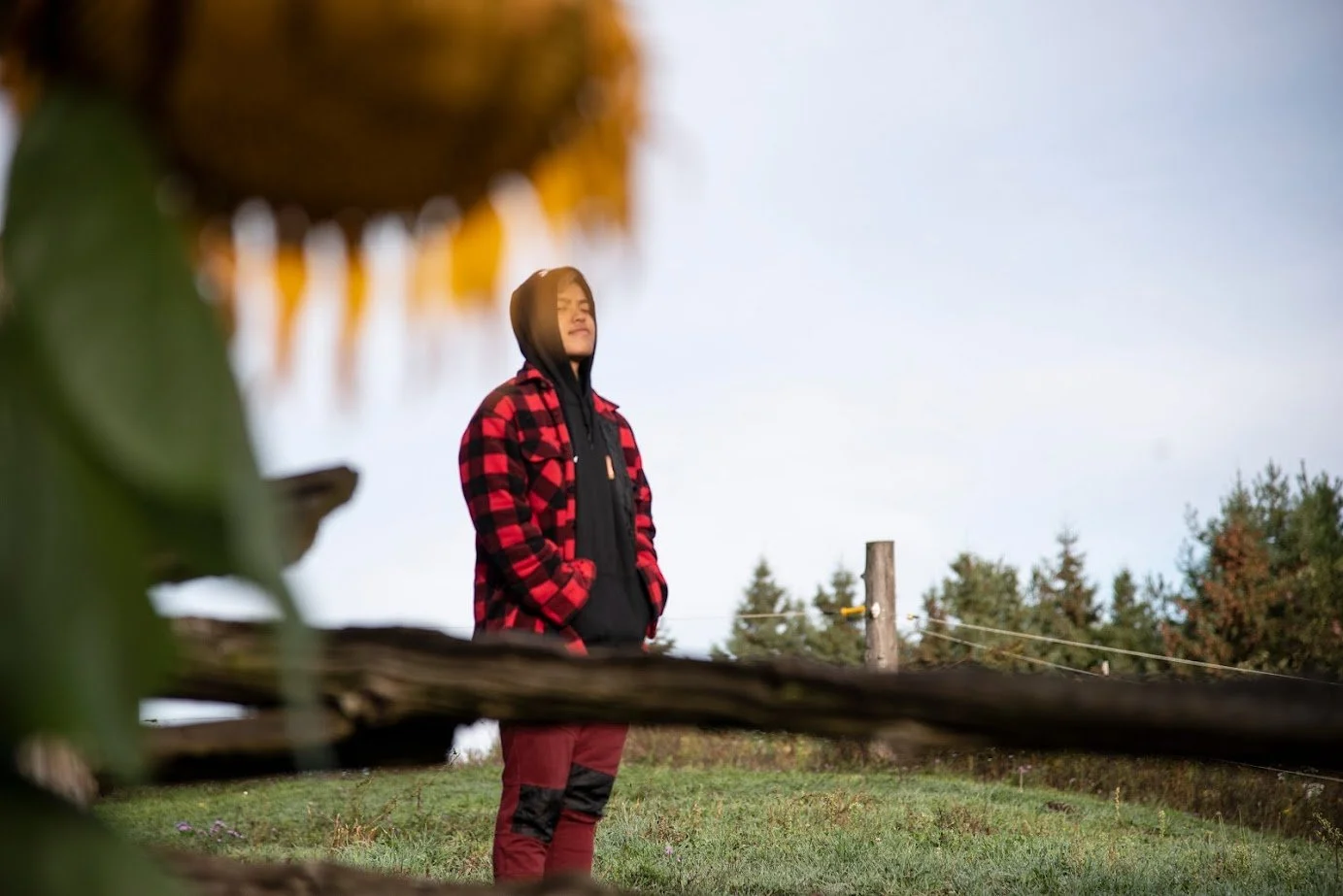
I’m stable.
Not fixed. Not past it. But stable; which, if you’ve been through something like this, you know is not a small word. It’s actually enormous.
I know my signals now. I know when I’m starting to drift before the drift becomes a fall. I have language for things that used to feel like pure chaos. I have a circle of care that I actually trust. I wake up most days knowing who I am, which, for a stretch of time, I genuinely could not say.
I want to be clear about that before I say anything else: I am okay.
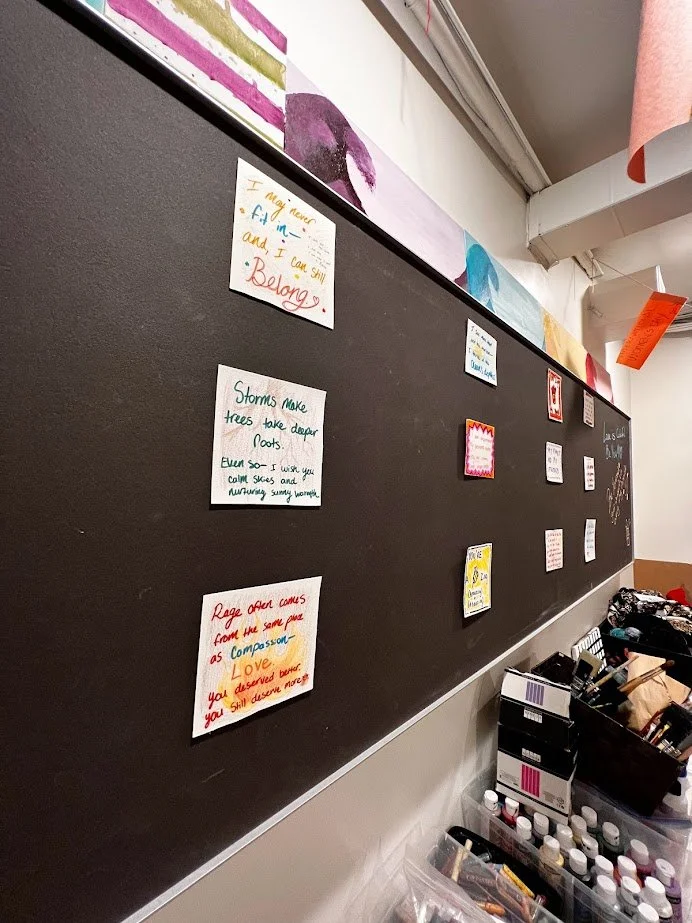
But I want to talk about what it took to get here because I think we sanitize this too much.
Here’s the thing nobody warns you about when you’re in a mental health crisis: you lose the ability to know what’s good for you. Completely. Your judgment — the thing you’ve relied on your whole life to navigate the world — becomes unreliable in ways you can’t even detect. You don’t know you’re making bad decisions. You don’t know you need help. You don’t know what “better” is supposed to feel like.
So you have to trust something outside of yourself. You have to have faith that the systems and people around you will hold you until you can hold yourself again.
That faith is everything. And when it’s broken — by the system, by the people meant to care for you — it doesn’t just fail you practically. It harms you.
The two sides of recovery that nobody talks about together
There’s the clinical side: stabilization, diagnosis, medication, psychiatrists, the hard work of getting your brain chemistry to a place where you can function. That part of the system, eventually, worked for me. It took time, and too much of it — the waitlists, the scrambling, the months of staring at the wall because every program I called had a six-month queue — but eventually I got there.
Then there’s the other side: the recovery from unstable to stable. From someone who has been treated, to someone who can rebuild a life. And this is where I found the system’s most painful gap — not in the clinical care, but in the absence of compassion that surrounded it.
Compassion is not a soft extra. In recovery, it is the mechanism. It’s what makes the difference between a person who follows their care plan and a person who gives up on it. When you are at your most vulnerable — when you are quite literally not yourself, when your judgment is compromised, when you are terrified and disoriented — how you are treated by the people around you in that system either builds or destroys your ability to trust it.
I had experiences in that system that eroded trust. I had an encounter with police during my crisis that I will carry for a long time. People in mental health crises don’t need force. They need presence, patience, and de-escalation. What I experienced was a reminder that the people with the most power in those moments don’t always use it with care. And that, for someone already fragile, doesn’t just feel bad — it makes recovery harder. It makes you less willing to reach out next time. It makes the already-steep climb a little steeper.
I say this not to be bitter, but because I think it matters. The abuse of power (even institutional, even normalized) has real consequences on real people trying to get well. And it disproportionately falls on the people who are already most vulnerable: people of colour, queer people, immigrants, anyone who the system has already taught to be wary.
What carried me through: it was the people.
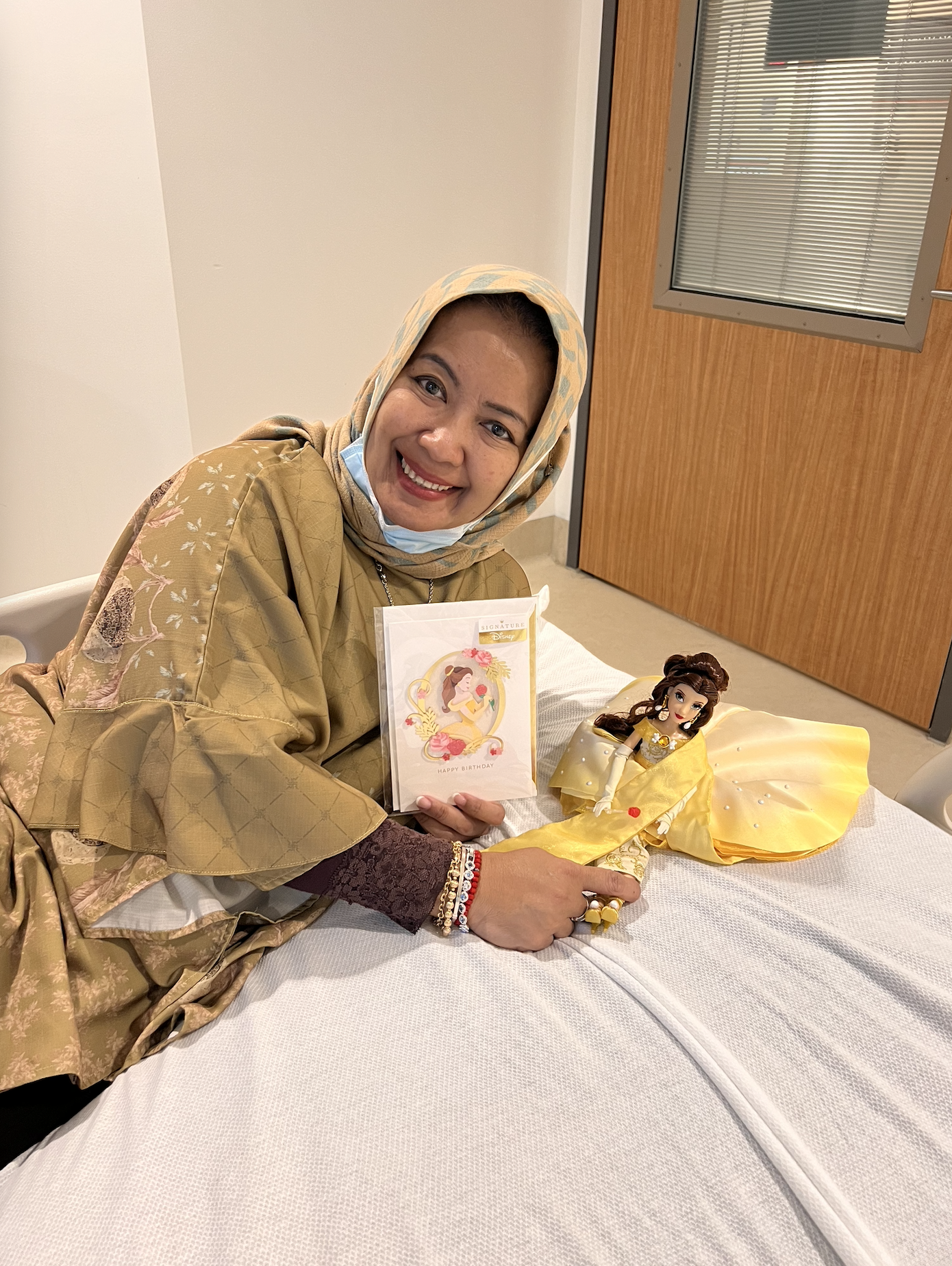
My mom, who got on a plane the next day even though she didn’t fully understand what was happening. Friends who came to the hospital with coloring books and snacks. A case manager who actually explained things to me instead of just handing me forms. A peer support worker who said me too without flinching. A therapist who helped me stop treating my own feelings like evidence of my brokenness.
Every meaningful step forward in my recovery was because a person showed up with enough compassion to close the gap that the system left open.
But that is not how it should work. The system should be designed so that recovery doesn’t depend on whether you’re lucky enough to have the right people around you. Not everyone has a mom who can get on a flight. Not everyone has friends who visit. Not everyone has the social capital to find the one case manager who goes above and beyond.
But that is how it worked for me. And I am deeply, permanently grateful for it.
What it changed in me
I came through this more patient than I went in. More curious about what people are carrying that I can’t see. More slow to assume that the difficult person in the room is simply being difficult.
I’ve been the person in the room who looked fine and wasn’t. I’ve been the person whose behaviour looked strange from the outside and made complete internal sense to me in that moment. I’ve been on the receiving end of someone deciding what I needed without asking me. I know what it feels like to have your dignity handled carelessly by people who were just doing their jobs.
That knowledge lives in me now. It shapes how I listen. It shapes how I design. It shapes how I treat people when I’m the one with more context, more power, more capacity in the room.
Empathy isn’t something I perform. It’s something the last few years burned into me. And honestly, I wouldn’t trade it — even knowing what it cost.
If you’re still in the middle of it
When you’re unwell, you don’t know what’s good for you. That’s not a character flaw. That’s what illness does. So if someone in your life is struggling and their choices look incomprehensible to you — please don’t meet that with frustration. Meet it with presence. You might be the thing that holds them until they can hold themselves.
And if you’re the one in the middle of it right now: the stability you can’t imagine is real. I know that’s easy to say and hard to believe. But it’s true. I’m evidence of it.
